

The MMIWG-2SLGBTQQIA+ National Committee
“Are Two-Spirit[ed people] understood as only marginalized or are they also understood as leaders, role models and gifted with Indigenous Teachings?
”
The MMIWG-2SLGBTQQIA+ National Committee recognizes that the absence of an intersectional lens has excluded the 2SLGBTQQIA+ community members from national inquiries and commissions such as the MMIWG and the Truth and Reconciliation Commission of Canada. Further, colonialism has entailed the imposition of Western gender norms through the Indian Act, residential schools and other colonial systems. The 2S Sub-Working Group identified a need to develop a Two-Spirit specific gender-based analysis tool to ensure that the realities of our Two-Spirit and Indigiqueer relatives are reflected and fully incorporated into this action plan and to address the exclusion as a missed opportunity to describe the imposition of binary gender identities onto Indigenous people.
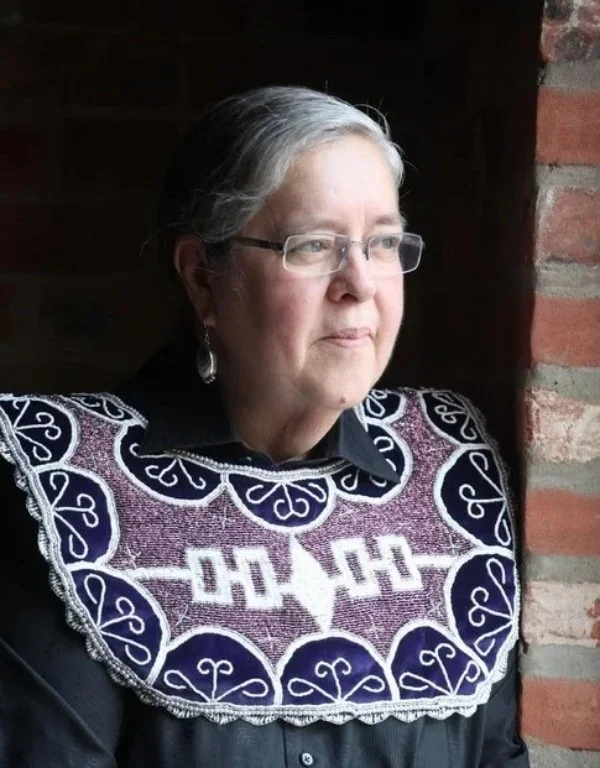
Sylvia Maracle
Sylvia Maracle (Skonaganleh:ra), a Two-Spirit Mohawk from the Wolf Clan in Tyendinaga Mohawk Territories, has dedicated her career to Indigenous support through her longstanding involvement with Friendship Centres, notably serving as Executive Director for 41 years. She has held leadership roles in various organizations, including Native Child and Family Services of Toronto and the Native Women’s Resource Centre of Toronto, and has been actively involved in anti-violence and housing strategies within Ontario. Maracle has contributed to national initiatives like the Aboriginal Headstart Program and was a founding co-chair of 2 Spirits in Motion, advocating for 2SLGBTQ+ Indigenous communities. Her efforts have been recognized with honorary Doctor of Laws degrees from several universities. Maracle emphasizes the importance of authentic representation, governance changes, and policy support for the 2SLGBTQQIA+ community, driven by a vision of reclaiming space and advancing their rights and well-being.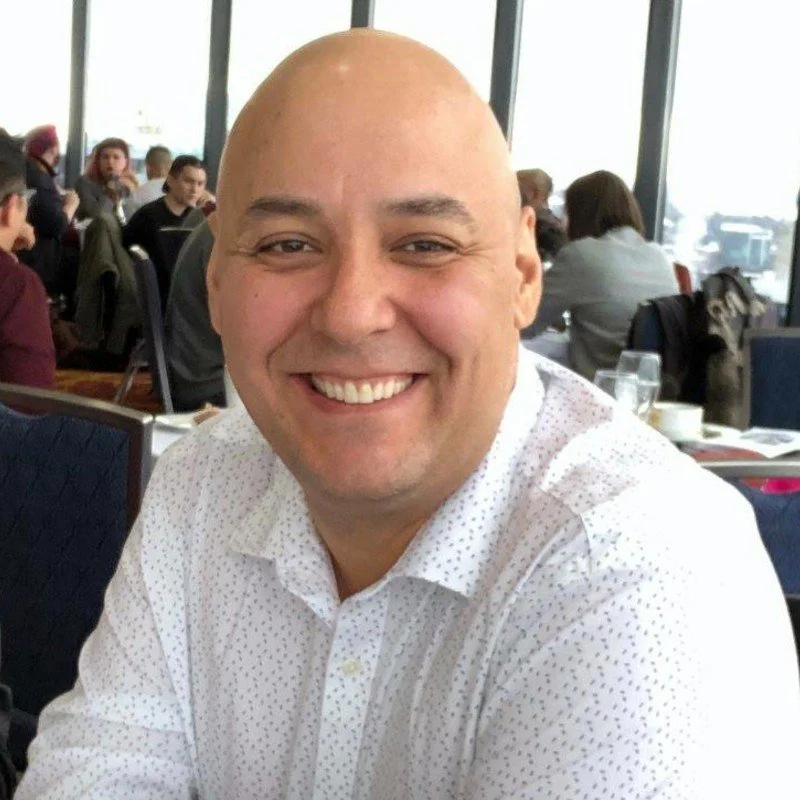
Albert Beck
Albert has spent the past twenty-five years applying his expertise in health, social policy, and human rights to address Indigenous issues in Canada. His work spans frontline services, program and policy development, research, advisory roles, public education, and administration. He has spearheaded national initiatives focused on HIV/AIDS, the 2S-LGBTTQQIAAP community, gender-based violence, and the Sixties Scoop. Albert is deeply involved in developing the MMIWG National Action Plan, emphasizing the inclusion of the 2SLGBTQQIA+ community. He advocates for systemic changes to protect these communities, emphasizing their essential roles in ceremonies, decision-making, and cultural preservation. Albert's efforts aim to halt the violence against 2SLGBTQQIA+ individuals and ensure their voices are heard, advocating for a future where their contributions and rights are fully recognized and respected.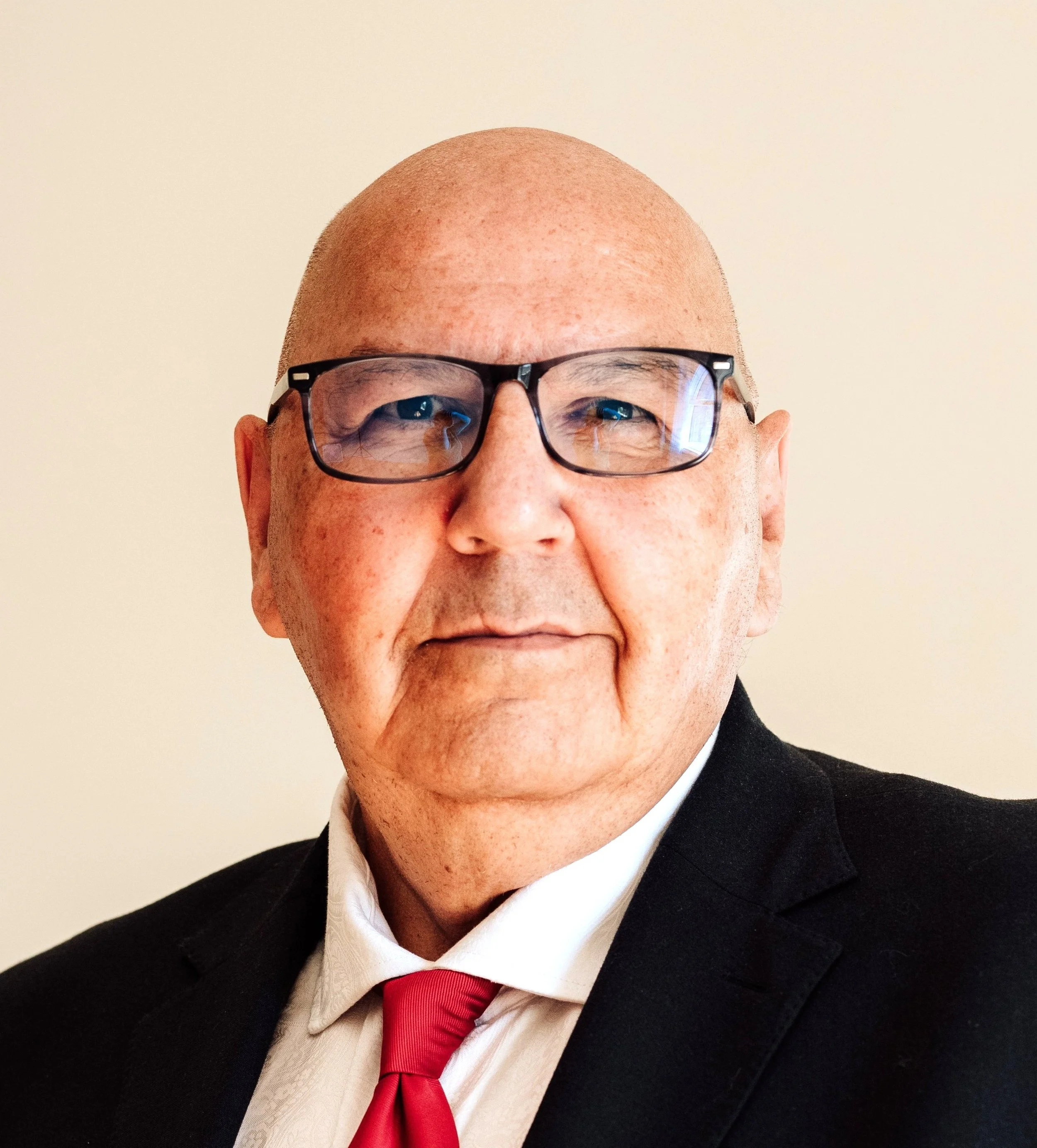
Albert McLeod
Albert McLeod, a Status Indian with roots in Nisichawayasihk Cree Nation and the Métis community of Norway House, Manitoba, has a family history intertwined with the fur trade and the Hudson’s Bay Company. After growing up in Cormorant and The Pas, he moved to Vancouver in 1979, where he joined Canada's first Two-Spirit organization, the Greater Vancouver Native Cultural Society. McLeod later helped organize Winnipeg's first Two-Spirit group, the Nichiwakan Native Gay Society, and participated in the inaugural international Two-Spirit gathering in 1988, attending nineteen out of thirty-two such gatherings since.

With over thirty years as a human rights and HIV/AIDS activist, he co-founded the Two-Spirited People of Manitoba and served as director of the Manitoba Aboriginal AIDS Task Force. In 2018, the University of Winnipeg awarded him an Honorary Doctorate of Laws. Now based in Winnipeg, McLeod works as a consultant focusing on Indigenous knowledge, cultural reclamation, and cross-cultural training. He reflects on the challenges faced by Two-Spirit people during his youth and his commitment to contributing to a National Action Plan, emphasizing the importance of survival and advocacy for future generations.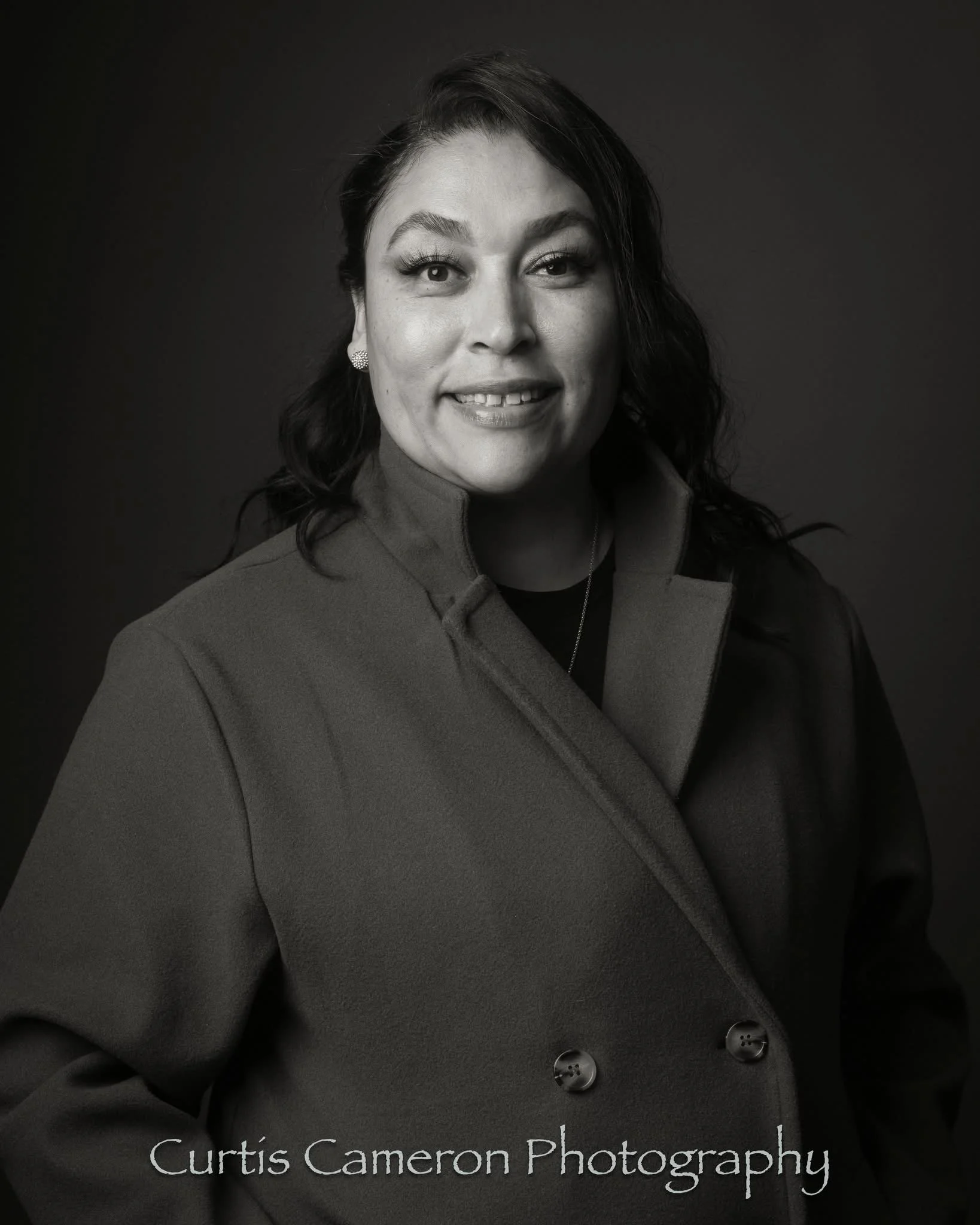
Paulete Poitras
Paulete “Paulie” Poitras (she/they) is the Executive Director of 2 Spirits in Motion Society (2SiMS), the national organization advancing the rights, wellness, and visibility of Two-Spirit and Indigenous 2SLGBTQQIA+ peoples across Turtle Island. A Dakota/Cree leader from Muscowpetung First Nation (Treaty 4), Paulete brings deep experience in front-line advocacy, harm reduction, and community organizing. Since 2022, she has expanded national partnerships, culture- and ceremony-informed programming, and youth leadership initiatives—connecting Two-Spirit people to culture, safety, and opportunity. Grounded in ceremony and creative practice, Paulete is a sought-after speaker and advocate committed to ensuring Two-Spirit kin are safe, seen, and celebrated through meaningful, community-led change.
Mathew Fleury
Mathew Fleury is a proud Citizen of the Manitoba Métis Federation and an interdisciplinary scholar advancing Indigenous health, with a focus on HIV/AIDS, substance use, and 2SLGBTQQIA+ wellness. With training in psychology, Indigenous social work, and population health sciences, he is completing a PhD at Simon Fraser University, bridging Indigenous methodologies, queer theory, and biomedical science.

Mathew leads research and evaluation at Kílala Lelum Health and Wellness Cooperative in Vancouver’s Downtown Eastside, supporting the development of an Indigenous Wellness and Resource Hub and culturally specific clinical guidelines. He collaborates with the BC Centre for Excellence in HIV/AIDS and contributes to community-based research initiatives. A professor in SFU’s Faculty of Health Sciences, Mathew is also co-founder of the Naut sa mawt Research Institute of Psychedelic Medicine, a member of the Two-Spirit Dry Lab, and serves nationally on the 2SLGBTQQIA+ Committee and as an Ambassador with the Canadian Foundation for AIDS Research.
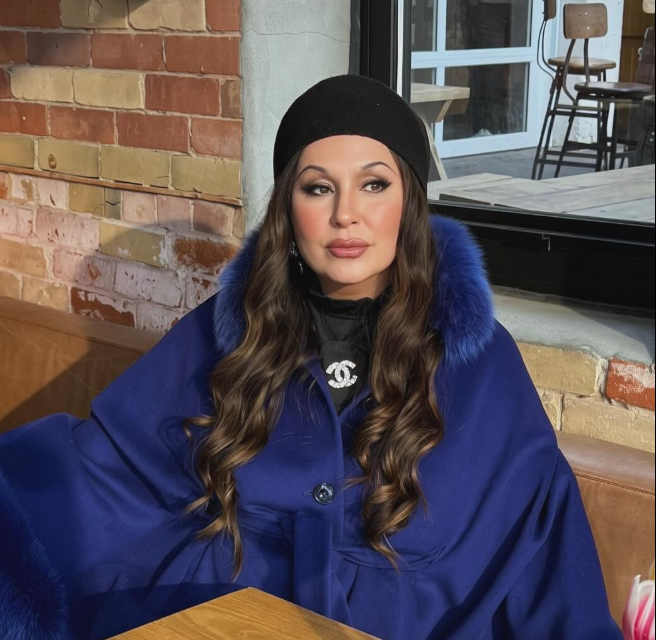
Jaylene Tyme
Jaylene Tyme, also known as Jaylene McRae, is a Two-Spirit Indigenous trans woman, drag artist, community leader, and advocate. She is registered with Zagime Anishinabek First Nation, Treaty 4, with maternal roots in Kawacatoose First Nation and Métis Nation Saskatchewan. Originally from Saskatchewan and now based in Vancouver, Jaylene has spent over thirty years using her experience in community leadership, professional makeup, and drag artistry to elevate Two-Spirit and trans visibility in Canada.
Her work spans performance, mentorship, federal prison outreach, and public education, with a strong focus on Indigenous healing, substance recovery, and the reclamation of Two-Spirit identities for Sixties Scoop survivors. Following her appearance on Canada’s Drag Race, Jaylene has continued to use her platform to support advocacy rooted in community care, cultural identity, and systemic change.
She is deeply involved in developing safer spaces within the Canadian correctional system, with an emphasis on the inclusion and healing of incarcerated Indigenous peoples. Through her work, Jaylene advocates for the protection of trans and gender-diverse individuals, the empowerment of emerging queer artists, and the recognition of Two-Spirit voices, rights, and contributions within Indigenous communities and beyond.
Lena Green
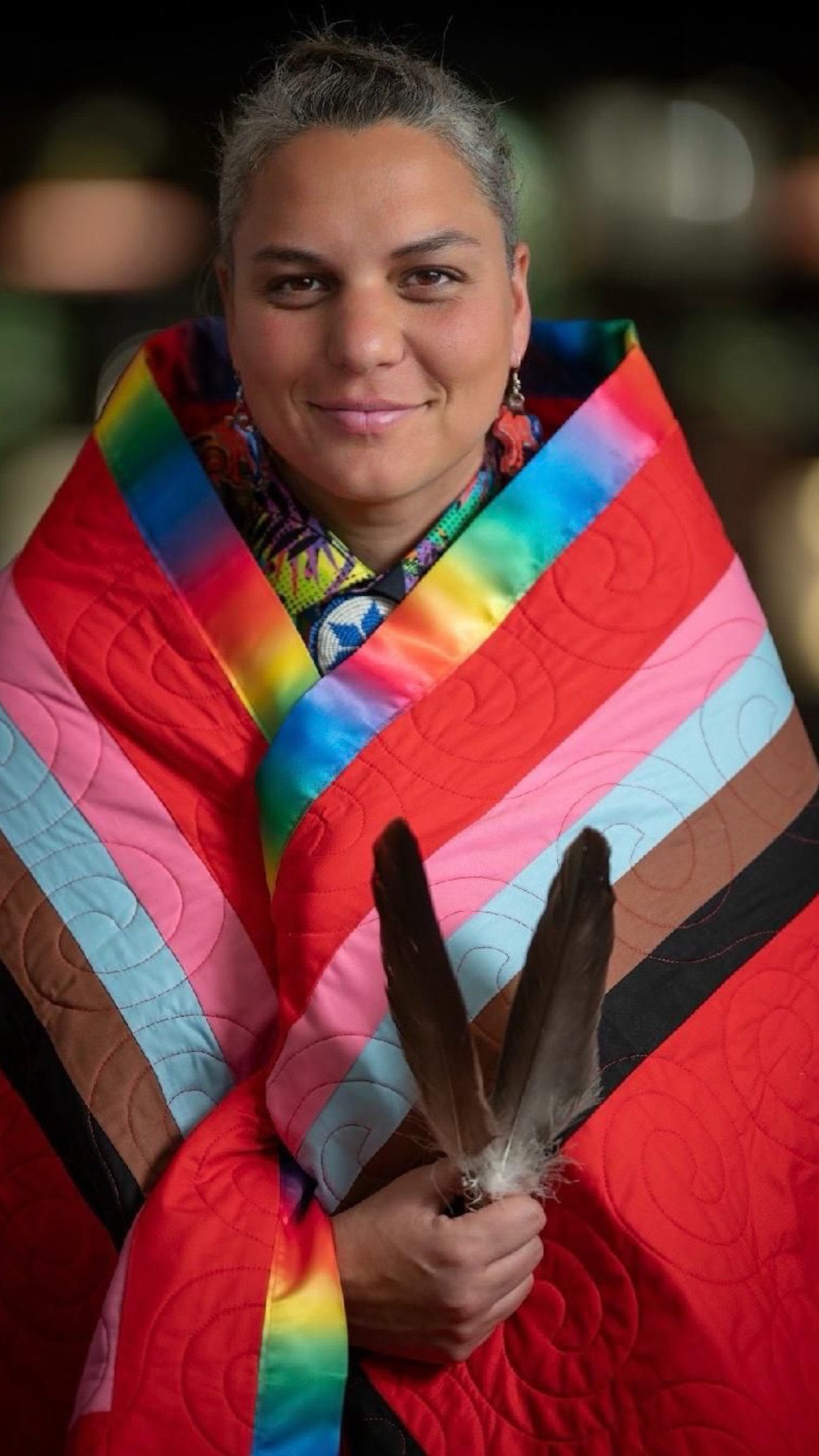
Lena Green is the Executive Director of the Edmonton 2 Spirit Society (E2S), where she provides leadership in advancing the rights, safety, health, cultural well-being, and inclusion of 2SLGBTQQIA+ and Indigenous communities.
Lena is a registered member of Flying Dust First Nation. Her maternal family comes from Beaver Lake First Nation and carries a strong Métis family history. Her connection to her Indigenous ancestry, community, culture, and Two Spirit traditions is central to her leadership and advocacy.
Through her leadership with E2S, Lena has supported the development of culturally grounded programs and services addressing housing, homelessness, health and wellness, gender-based violence, community capacity building, cultural revitalization, and access to affirming spaces for Indigenous 2SLGBTQQIA+ people. She works closely with Elders, Knowledge Keepers, youth, community members, Indigenous organizations, governments, and national partners to strengthen supports and create meaningful opportunities for Two Spirit people to reconnect with culture, ceremony, community, and traditional roles.
A significant focus of Lena’s current work is the development of culturally grounded 2SLGBTQQIA+ emergency and transitional housing. This work is grounded in the understanding that housing is healthcare and culture is medicine, incorporating Indigenous cultural practices, ceremony, land-based connections, and community into housing and support services.
Lena brings extensive experience in human rights, community development, organizational leadership, advocacy, and capacity building. Her earlier work in human rights advocacy included supporting the development of human rights initiatives across Western Canada and the Northwest Territories. She continues to bring this experience into her work advocating for the rights and well-being of Indigenous 2SLGBTQQIA+ people.
As a Two Spirit Indigenous leader, Lena is committed to ensuring that the voices and lived experiences of 2SLGBTQQIA+ people—particularly Indigenous, gender-diverse, and Two Spirit people—are meaningfully represented in policy development, research, funding decisions, and national conversations.
Her leadership is grounded in respect, honesty, relationship building, cultural connection, and the belief that Two Spirit people have always held important roles, responsibilities, and places within Indigenous communities. She is honoured to contribute her experience, community knowledge, and perspective to the national 2SLGBTQQIA+ movement and to work toward stronger, safer, and more culturally grounded communities across Canada.
Saige McMahon
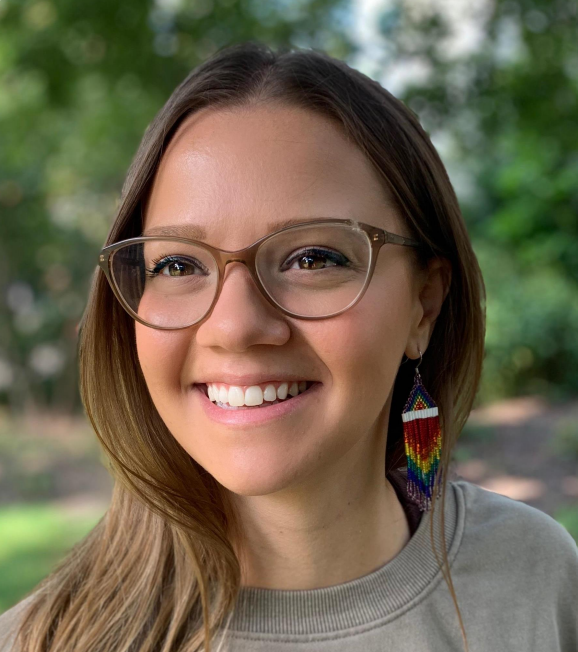
Saige McMahon is an Anishinaabekwe-settler community leader from Rainy River First Nations in Treaty 3 Territory and serves as the Executive Director of 2-Spirited People of the 1st Nations in Toronto. She has worked with the organization in a range of leadership roles supporting Indigenous and 2SLGBTQIA+ communities, with a focus on harm reduction, mental health, community wellness, and culturally responsive services.
Saige has also provided leadership to the organization’s Indigenous-led Crisis Response initiative, part of the Toronto Community Crisis Service. Her work has supported the development of community-led alternatives to traditional emergency response, grounded in trauma-informed care, harm reduction, cultural safety, and Indigenous approaches to collective care and wellness.
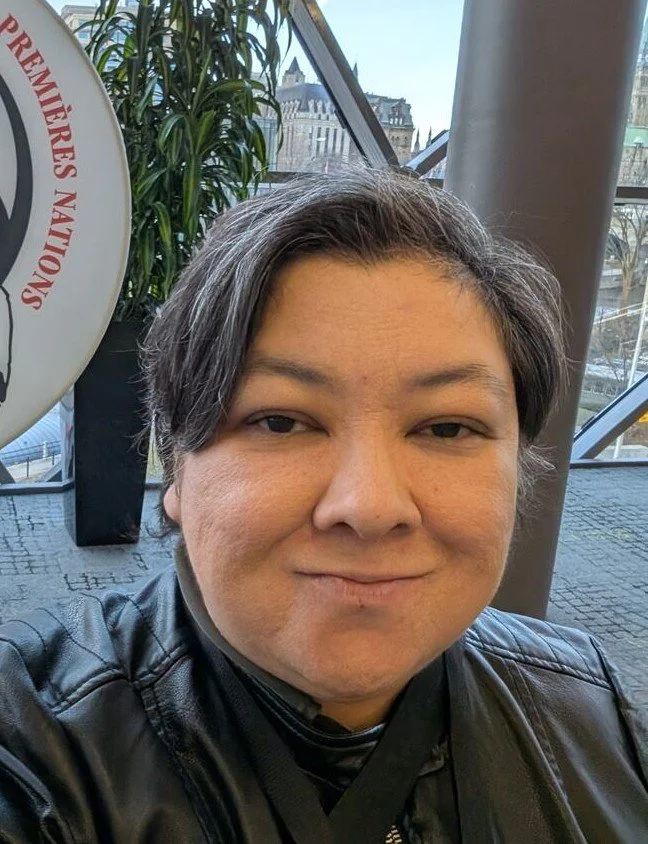
Kara Louttit
Kara Louttit (they/them) is a Senior Policy Analyst with the National Association of Friendship Centres (NAFC), advancing urban Indigenous policy on UNDRIP implementation, MMIWG2S+ safety, justice, and languages. Omushkego/Mushkegowuk-Eeyou Cree, Two-Spirit, trans, and queer, Kara grounds their work in lived experience and ceremony while bringing rigorous analysis to federal and intergovernmental tables.

At NAFC, they represent urban Indigenous perspectives at national convenings and lead policy dialogues with regions and member Centres. Previously, Kara worked on the front lines of justice and remembrance as a Gladue Services worker with the Thunder Bay Indian Friendship Centre and as an organizer with Walking With Our Sisters, the national commemorative installation honouring missing and murdered Indigenous women, girls, and Two-Spirit people.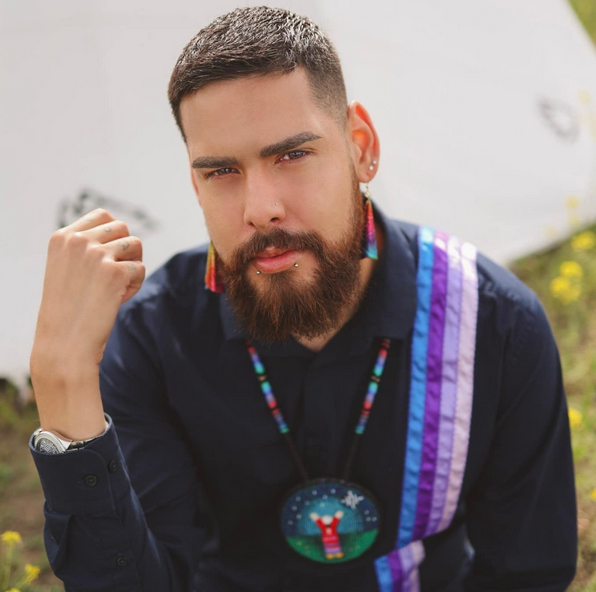
Jordy Ironstar
Jordy Ironstar (they/them) is a Two-Spirit Nakoda Oyadé and member of Carry the Kettle First Nation, with family roots in the Saulteaux and Prettysheild lineages of their grandfather Arnold Saulteaux and the Ironstar and O’watch lineages of their grandmother Verna Ironstar. Based in Saskatoon, Saskatchewan, Jordy works with the 2 Spirits in Motion Society and is co-founder of the 2 Spirits Alliance of Saskatchewan.

For nearly a decade, Jordy has led grassroots organizing, advocacy, and education for 2S/LGBTQIA+ and Indigenous communities. Their work examines the social determinants of health through the cultural lens of Nakón-wįcóȟ’ąge (the Nakoda way of life). Since 2023, Jordy has served as Saskatchewan representative on the MMIWG2SLGBTQQIA+ National Action Committee and, since 2025, has supported its research sub-committee. Across regional, provincial, and national tables, Jordy advances community-informed solutions for First Nations peoples.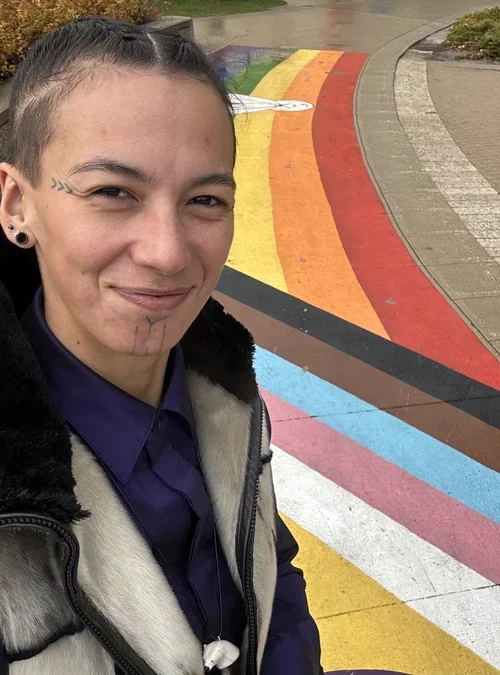
Maxine Issiqut Angoo
Maxine Issiqut Angoo (she/her) is an Inuk community leader from Whale Cove, Nunavut, now based on Treaty 1 Territory (Winnipeg). She is the founding member and Executive Director of Tunngasugit Inuit Resource Centre, advancing culture-centred programs, youth engagement, and supports for urban Inuit families. A proud Inuk cultural educator, Maxine shares Inuit games, language, and traditions and is frequently called on to advise institutions on Inuit well-being and partnership.

She has also contributed to the Winnipeg Art Gallery–Qaumajuq as a project manager, connecting northern stories to the Visible Vault digital platform. Maxine serves on national and regional committees focused on Inuit suicide prevention and 2SLGBTQQIA+ advocacy. Across her work, she is grounded in Inuit knowledge, kinship, and self-determination.
Methodology
American civil rights advocate Kimberlé Crenshaw first used the term “intersectionality” in the late 1980s. While there are different definitions of “intersectionality,” for Indigenous Peoples, definitions have evolved to reflect their unique learnings and experiences. In its broadest terms, intersectionality takes into account the impact of diverse factors such as race, class, sex, gender, residency, geography, ability and age as they apply to an individual or group. It also helps to develop a broader understanding of complex systems of discrimination and disadvantage. This understanding can support the development of policies tailored to the needs of those who experience discrimination. The combination of different systems of oppression against Indigenous women and girls, including the particular issues faced by 2SLGBTQQIA+ people in some Indigenous communities, can show us how systems, institutions, and individual actions further target individuals in other areas, including homelessness, poverty, and other circumstances that increase the dangers they may face. The relationship between Intersectionality and Indigeneity has also been documented by Sarah Hunt (Kwagiulth, Kwakwaka’wakw Nation) in a dialogue held in April 2012, on Coast Salish Territories. Hunt documents that Indigenous knowledge allows for diverse forms of knowledge to be valued, including the wisdom of elders, dreams and spiritual guides; relations that extend beyond humans to include other animals, the land, water and all living things. Indigenous languages are embedded with concepts reflecting the interconnectedness of all things. Some of these concepts translated into English include ‘all my relations’, ‘weaving the strands, and a web of community relations’.